- Home
- Services
- Residential
- Residential Junk Removal
- Same Day Junk Removal
- Furniture Removal
- Couch Removal
- Mattress Removal
- Appliance Removal
- Refrigerator Disposal
- Hot Tub Removal
- Yard Waste Removal
- Scrap Metal Removal
- E-Waste Disposal
- Garage Cleanout Services
- Home Cleanouts
- Estate Cleanout
- Storage Unit Cleanout Services
- Attic Cleanout Services
- Hoarding Cleanup
- Shed Removal
- Construction Debris Removal
- Piano Removal
- Carpet Removal
- Tire Disposal
- Commercial
- Residential
- Service Areas
- About
- Blog
- Contact
SHED REMOVAL TRUCKEE, CA
Shed Removal in Truckee & North Lake Tahoe
Shed removal starts with the structure itself, but the real scope also depends on contents, anchoring, utilities, construction, and the route out of the yard. Call today for a fast, free estimate.
- Licensed & Insured
- Locally Owned
- Serving Since 2016
Get Your Free Quote
By submitting this form, you agree to our Terms of Use including consent to receive calls regarding your free estimate.
Confidential · We respond within one business day
Home › Shed Removal
When removing an old storage shed, clearing a yard or preparing space for a new use, shed removal can remove small shed materials and contents when the structure can be safely dismantled without turning the project into a do-it-yourself carrying and loading job. At Truckee Junk Co., we start by confirming what should leave, where it is located, and how the crew can reach it. That gives the estimate a real scope and lets us plan around stairs, gates, parking, interior routes, or outdoor access before the appointment. The goal is straightforward: remove the approved material, keep the rest of the property organized, and leave the immediate work area ready for the customer’s next step.
A good shed removal appointment begins with a clear picture of the property as it sits now. The work may involve wood or light-gauge shed components, doors, roofing, shelving, and ordinary contents when those items are specifically included, but volume alone does not tell the whole story. We also need to understand who is coordinating the job, which areas are approved, and how the material reaches the loading point. Defining those details before the crew starts helps keep the removal efficient and protects the customer’s time, especially when the property has multiple rooms, shared access, or a deadline tied to another project.
When Shed Removal Becomes the Next Project
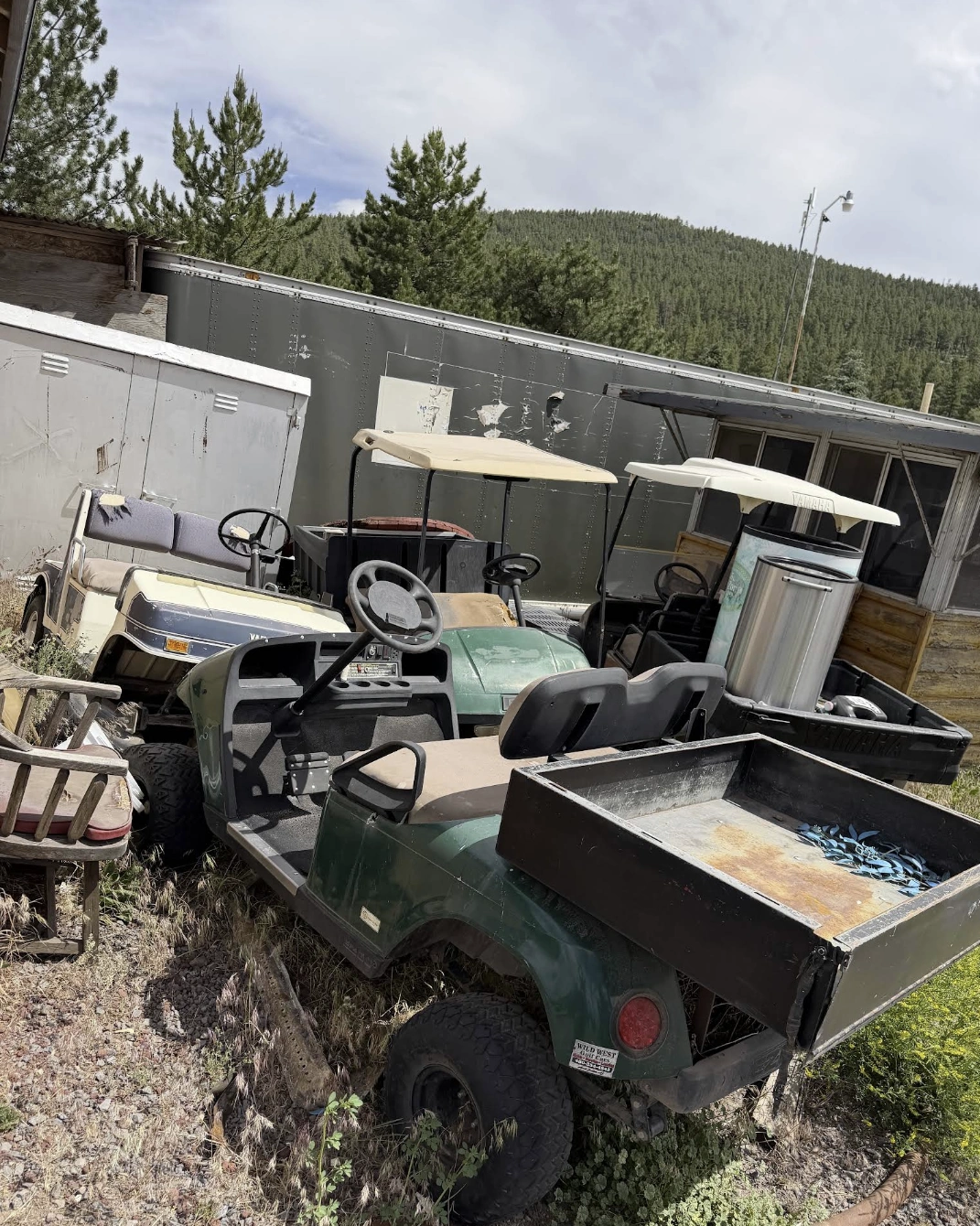
Shed Removal is typically requested after removing an old storage shed, clearing a yard or preparing space for a new use. The material can include small shed materials and contents when the structure can be safely dismantled, and unlike a simple bagged-junk pickup, the crew may need to account for weight, dismantling, staging, or outdoor access before loading begins.
- Roof panels
- Wall sections
- Doors
- Wood framing
When the shed is only one of several areas being cleared, a broader property cleanout can cover the other approved spaces as well.
Many customers reach the point where doing shed removal themselves would mean repeated heavy carries, extra vehicle trips, or a project that keeps getting postponed. The jobs we review can involve replacing an old shed, reclaiming yard space, storm or age damage, property sale preparation, landscaping changes, and removing an unused storage structure. The estimate is more useful when it reflects the entire task rather than only the most visible item. That includes the location of the material, how it can be reached, and the customer’s intended finish. A clear scope also makes it easier to add or remove optional areas before the crew arrives instead of changing the plan after loading is underway.
What We Need to See Before Scheduling
Photos should show the material, not just one close-up. Include the surrounding work area, gates, stairs, deck or driveway access, and the path to where loading can occur. For structures or heavy material, dimensions and estimated quantity are especially helpful. Related couch removal can also affect how the crew and loading space are planned.
Before shed removal begins, the customer should focus on what only they can decide. That means taking care of personal records, retained belongings, and any item whose status is uncertain, then empty or identify shed contents, disconnect utilities through the appropriate person, point out anchors or buried lines, and clear access around the structure. Truckee Junk Co. can handle the carrying and loading from the agreed areas. Keeping preparation simple is intentional: the customer should not have to turn professional removal into a do-it-yourself moving project just to get an estimate. Good labeling and clear access are normally more valuable than pre-staging every item.
Preparing the Work Area
Preparation for shed removal should make decisions clearer without shifting the heavy work back to the customer. Before the appointment, empty or identify shed contents, disconnect utilities through the appropriate person, point out anchors or buried lines, and clear access around the structure. The crew can then focus on the approved items instead of stopping to sort personal property or renegotiate the removal area while loading is already underway. For this service, the practical boundary is especially important because dismantling in a controlled sequence, keeping loose panels and fasteners contained, separating bulky sections, and avoiding unnecessary disturbance to nearby property. If access rules or another person’s approval affect the job, settle those details before the crew begins moving material.
Once the scope is approved, we organize shed removal around the way the material can be handled most efficiently. That can mean dismantling in a controlled sequence, keeping loose panels and fasteners contained, separating bulky sections, and avoiding unnecessary disturbance to nearby property. We try to avoid creating a second problem by piling everything in a doorway, shared hallway, or driveway before it is ready to load. Bulky pieces and dense material may be moved first when that opens working space, while loose contents can follow in controlled groups. The sequence can change from property to property, but the goal is consistent: keep the carrying route usable and move only the items that belong in the approved scope.
Access Around Mountain Properties
Access for shed removal is evaluated around the specific path from the approved items to the truck. Relevant conditions can include fences, gates, slopes, decks, landscaping, neighboring structures, soft ground, and whether dismantled pieces can be carried directly to the loading area. Those details affect labor and the order in which items should move, particularly when the job includes heavy, awkward, or numerous pieces. We use the estimate to identify the workable carrying route in advance so the crew is not improvising around blocked doors, shared spaces, or parking once loading starts. The goal is to keep the removal orderly while other parts of the property remain as usable as practical.
For shed removal, two similar loads can require very different labor when access changes. We account for fences, gates, slopes, decks, landscaping, neighboring structures, soft ground, and whether dismantled pieces can be carried directly to the loading area. The customer should mention any restriction that affects the crew’s ability to move continuously, such as a timed loading area, narrow stairwell, locked gate, or parking that is separated from the building. This is not added detail for its own sake. It helps us plan enough labor and time, avoid blocking neighbors or shared areas, and decide whether the job should be divided into stages.
Material and Disposal Requirements
We handle ordinary non-hazardous material that fits the represented service. Regulated hauling rules, hazardous materials, special recycling requirements, and unusually heavy or restricted items may require another disposal path. See the applicable public waste resource for public guidance. If mattress removal is also needed, that portion can be reviewed separately.
A useful shed removal estimate says both what is included and what is not. In this service, small shed dismantling and removal can be scoped when conditions are appropriate; foundations, utility work, hazardous roofing or siding, and complex structures need separate evaluation. The customer should not assume that an item is ordinary junk merely because it is no longer wanted. Some materials follow different legal, safety, recycling, or disposal channels. We keep the public-facing scope conservative so the crew can focus on accepted material without making unsupported promises. When an item needs another provider or disposal route, it can be left out of the load and handled separately.
Why Hire Truckee Junk Co. for Shed Removal
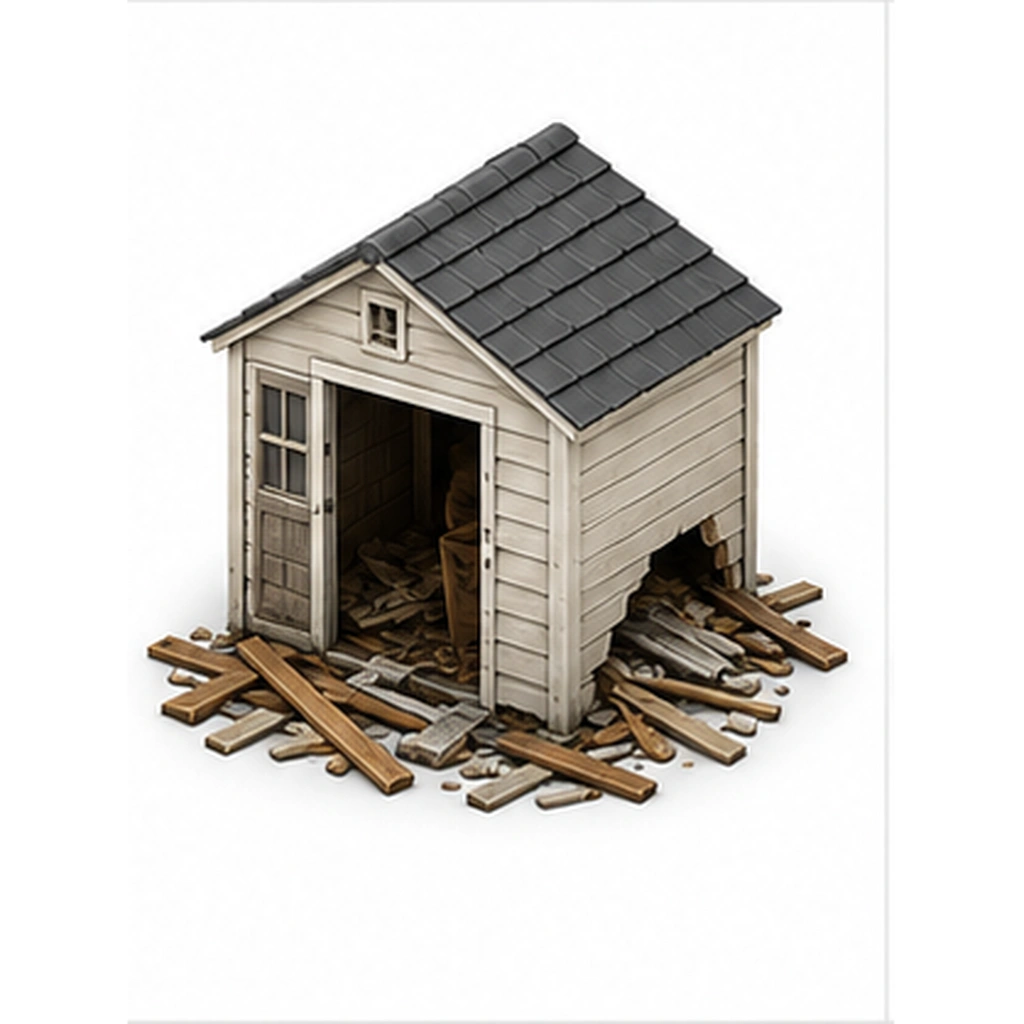
Truckee Junk Co. approaches shed removal around the customer’s end goal rather than treating the job as an undefined cleanup. We confirm the approved areas, account for shed size, material, anchoring, contents, dismantling labor, access, carrying distance, and disposal volume, and organize the work so the crew can handle dismantling in a controlled sequence, keeping loose panels and fasteners contained, separating bulky sections, and avoiding unnecessary disturbance to nearby property. When the load is complete, the intended result is to remove the agreed shed materials and ordinary dismantling debris, leaving the footprint accessible for the owner’s next project. That defined scope gives the customer a practical estimate before the appointment and a clear understanding of what the removal is meant to accomplish.
Truckee Junk Co. keeps shed removal practical from the first estimate through the last load. We want to remove the agreed shed materials and ordinary dismantling debris, leaving the footprint accessible for the owner’s next project. To price the job sensibly, we look at shed size, material, anchoring, contents, dismantling labor, access, carrying distance, and disposal volume. The customer gets the most accurate scope by showing the full work area and explaining any timing or access restrictions. Once the plan is approved, the crew handles the lifting and loading from the agreed locations. That leaves the customer free to focus on the move, turnover, remodel, cleanup, or other reason the unwanted material needed to go in the first place.
The loading plan for shed removal should match the property rather than forcing the property to fit the load. We account for fences, gates, slopes, decks, landscaping, neighboring structures, soft ground, and whether dismantled pieces can be carried directly to the loading area before bulky or awkward pieces begin moving. That matters because an item that looks simple in an open driveway can require a very different approach inside a furnished home, upper-floor unit, commercial space, or gated property. Once the route and approved scope are clear, the crew can work in a more orderly sequence, protect access for people who still need to use the property, and finish with fewer last-minute changes.
Why choose Truckee Junk Co. for shed removal? Clear scope, careful access planning, professional loading, and a work area left tidy after the approved removal.
Service Areas: Truckee & North Lake Tahoe
Let's get started.
Frequently Asked Questions About Shed Removal
What information helps you quote shed removal?
Send photos showing the material or structure, the surrounding work area, and the path to the loading location. Mention gates, slopes, stairs, parking limits, dismantling needs, and any deadline for the property.
Do I need to stage everything at the curb first?
Not unless we specifically agree to a curbside scope. We prefer to see the real access conditions before the job so the estimate accounts for the carrying, staging, or dismantling that may be required.
Can related cleanup be included in the same job?
Often yes, when the additional material is ordinary non-hazardous junk or debris within the services represented on this site. Describe the complete scope before scheduling so we can plan the crew and load correctly.
What affects the price of shed removal?
Quantity, weight, dismantling, labor, access, carrying distance, and disposal requirements can all affect the estimate. Photos help identify those variables before the appointment.